Asphalt is designed to provide a durable, practical surface for driveways, roads, car parks and access areas, but no pavement remains unchanged forever. Traffic, weather exposure, water and general ageing gradually affect the condition of the surface. The important question for property owners is when ordinary wear has progressed to the point where resurfacing should be considered.
For properties in Mount Barker, SA, recognising deterioration early can help prevent an ageing asphalt surface from becoming significantly more damaged. Asphalt resurfacing can provide an effective way to renew an existing pavement when the underlying structure remains suitable, restoring a smoother and more dependable surface without unnecessarily replacing everything underneath.
What Is Asphalt Resurfacing?
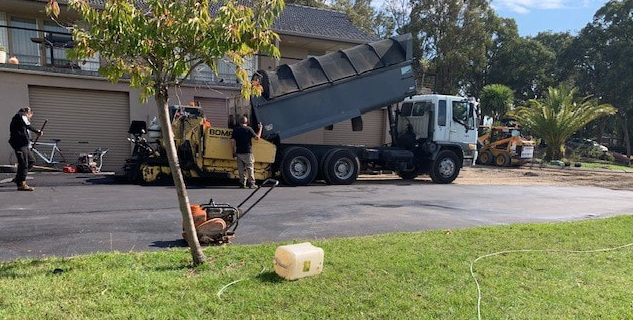
Asphalt resurfacing generally involves placing a new asphalt layer over an existing pavement after the surface has been properly assessed and prepared. Rather than starting again from the ground up, the existing pavement structure is retained where it remains sufficiently stable.
The suitability of resurfacing therefore depends on what is happening both at and beneath the visible surface. If deterioration is largely confined to the upper pavement layers, resurfacing may provide an effective solution. Where significant foundation failure is present, more extensive preparation or reconstruction may be required.
This is why a professional assessment should come before deciding how an ageing asphalt surface should be treated.
1. Widespread Surface Cracking Is Appearing
An isolated crack does not necessarily mean an entire asphalt area needs resurfacing. However, when cracking becomes increasingly widespread, it can indicate that the pavement is reaching a stage where individual repairs are no longer addressing the overall condition effectively.
Cracks also create pathways for moisture to enter the pavement. If they continue spreading, deterioration can begin affecting a larger area.
Look at the Pattern, Not Just One Crack
Property owners should pay attention when:
- Cracks are appearing across multiple sections
- Previously repaired cracks are accompanied by new ones
- Cracks are becoming wider or more connected
- The overall surface is beginning to look fragmented
The extent and cause of the cracking should be assessed before resurfacing is recommended.
2. The Asphalt Has Become Rough and Worn
A healthy asphalt surface should provide reasonably consistent vehicle movement. As the upper layer deteriorates, however, its texture can become increasingly rough.
You may notice aggregate becoming more exposed, small pieces of surface material coming loose or areas that no longer have the same consistent finish.
This gradual deterioration can indicate that the wearing surface is losing its integrity.
Why Surface Wear Matters
Once the upper layer begins breaking down, the pavement can become more vulnerable to moisture and continued traffic wear. Resurfacing at an appropriate stage can renew this protective wearing course and improve the overall condition of the pavement.
3. Small Potholes Are Becoming More Frequent
An occasional pothole can often be repaired locally. Multiple potholes developing across the same asphalt area can tell a different story.
Potholes commonly develop when moisture and traffic contribute to the breakdown of weakened pavement. If new potholes continue appearing despite individual repairs, it may indicate more widespread surface deterioration.
Signs worth investigating include:
- Several potholes appearing within the same area
- Previously repaired sections deteriorating nearby
- Cracking surrounding potholes
- Loose or crumbling asphalt around damaged sections
Resurfacing may be worth considering if the underlying pavement remains capable of supporting a new wearing layer.
4. Water Is Collecting in Areas Where It Did Not Before
Standing water should not automatically be treated as a resurfacing problem. It can indicate changes in surface levels, depressions or drainage performance that need to be investigated.
Asphalt can gradually deform under repeated traffic, particularly where underlying support has weakened. Low areas may then begin holding water after rainfall.
Before resurfacing, the reason for the pooling needs to be understood. Simply covering an unresolved drainage or foundation issue with new asphalt is unlikely to produce the desired long-term result.
5. Previous Repairs Are Becoming Increasingly Extensive
Patching is an important part of asphalt maintenance and can be highly effective when deterioration remains localised.
There eventually comes a point, however, where repeated patches cover a substantial proportion of the pavement. If one section is repaired only for another nearby area to deteriorate, assessing the surface as a whole can become more appropriate than continuing with isolated repairs.
Resurfacing can create a more consistent wearing surface when the existing pavement is otherwise suitable.
6. Vehicle Movement No Longer Feels Smooth
Changes in driving quality can reveal pavement deterioration that is easy to overlook visually.
Drivers may begin noticing:
- Depressions
- Uneven sections
- Minor rutting
- Rough transitions between repairs
- Increasing vibration across the surface
These changes should be investigated because they can result from several different causes. Some may be suitable for correction during resurfacing preparation, while deeper movement may indicate problems within the foundation.
7. The Surface Is Clearly Ageing
Asphalt naturally changes as it is exposed to sunlight, weather and traffic. A faded appearance alone does not necessarily mean resurfacing is required, but when ageing is accompanied by cracking, material loss and general deterioration, it becomes more significant.
Rather than judging an asphalt surface by age alone, its actual condition should guide the decision.
Resurfacing or Repair: Which Does the Surface Need?
One of the most important distinctions is between localised damage and widespread deterioration.
Repairs may remain appropriate when:
- Damage is limited to specific areas
- Most of the pavement remains sound
- Cracking is isolated
- Individual potholes can be repaired effectively
Resurfacing may become more appropriate when deterioration is widespread across the wearing surface but the underlying pavement remains sufficiently stable.
Neither option should be chosen purely from appearance. Understanding why the damage has developed is essential.
Why the Existing Base Matters
A new asphalt layer performs best when it has stable support beneath it. If the existing pavement has substantial structural problems, resurfacing alone will not correct them.
Before resurfacing, attention should be given to:
- Foundation stability
- Existing pavement movement
- Drainage
- Failed or weakened sections
- The extent and depth of cracking
- How the area is used by traffic
At Mount Barker Road Tech SA, assessing these factors helps determine whether resurfacing is appropriate and what preparation should occur beforehand.
The Value of Acting Before Deterioration Becomes Severe
Waiting for an asphalt surface to become extensively damaged can reduce the range of practical maintenance options available.
Recognising deterioration earlier provides an opportunity to assess the pavement while much of its existing structure may still be serviceable. Appropriate repairs and resurfacing can then focus on preserving what remains sound while renewing worn areas.
For property owners in Mount Barker, SA, regular observation is therefore worthwhile. Changes in cracking, drainage, ride quality and surface texture can provide useful early indications that the pavement needs attention.
Professional Preparation Is Essential for Resurfacing
A successful asphalt resurfacing project involves more than placing fresh material over an old surface.
Preparation may require damaged areas to be repaired, levels corrected and the existing pavement made suitable for the new asphalt layer. Drainage concerns should also be addressed rather than hidden beneath the resurfacing work.
Careful preparation helps the new surface bond and perform as intended, providing a more consistent and durable result.
Conclusion
The signs that asphalt resurfacing may be needed include widespread cracking, increasing surface wear, recurring potholes, changes in surface levels and a growing number of repairs across the pavement. No single symptom automatically means resurfacing is the right solution; the condition of the underlying structure is equally important.
For asphalt surfaces in Mount Barker, SA, having deterioration assessed before it becomes severe can help determine whether targeted repairs, resurfacing or more extensive work is appropriate.
If your driveway, road, car park or access area is showing noticeable signs of deterioration, Mount Barker Road Tech SA can assess the existing pavement and recommend a suitable approach based on its actual condition and intended use.
Call us on: 08 6727 9106
Click here to find out more about Mount Barker SA
Click here to complete our contact form and see how we can help with your Asphalt and Bitumen Surfacing needs.